


-

Add: HeBei ShengShi HongBang Cellulose Technology CO.,LTD.
-

Email
13180486930@163.com -

CONTACT US
+86 13180486930

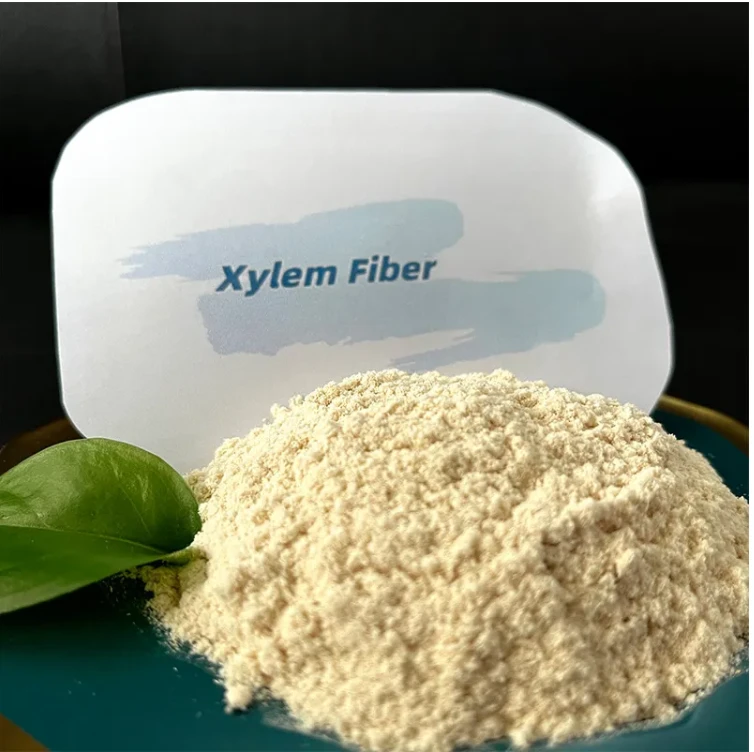
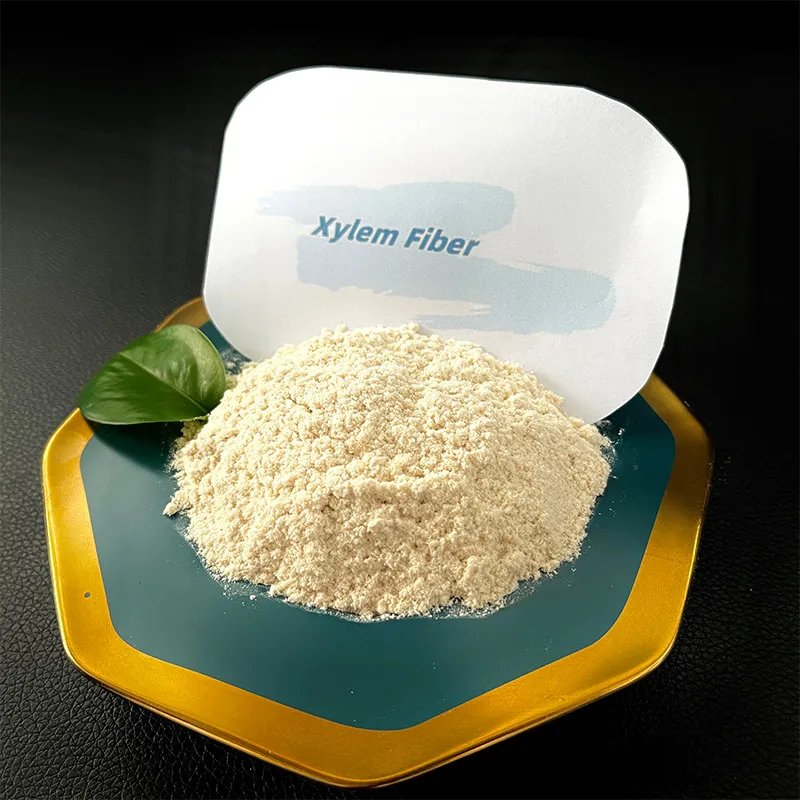



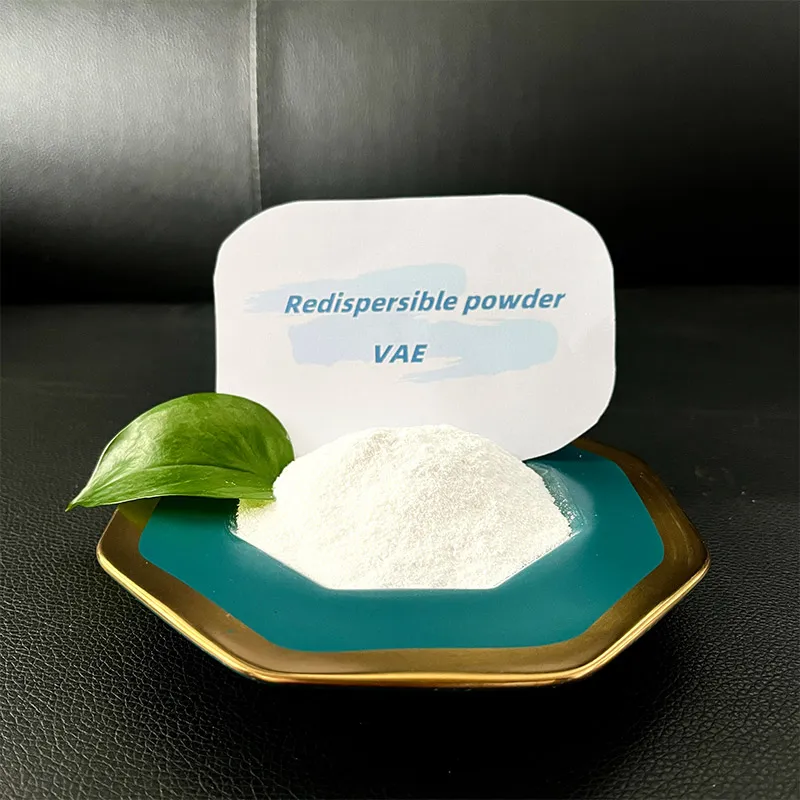
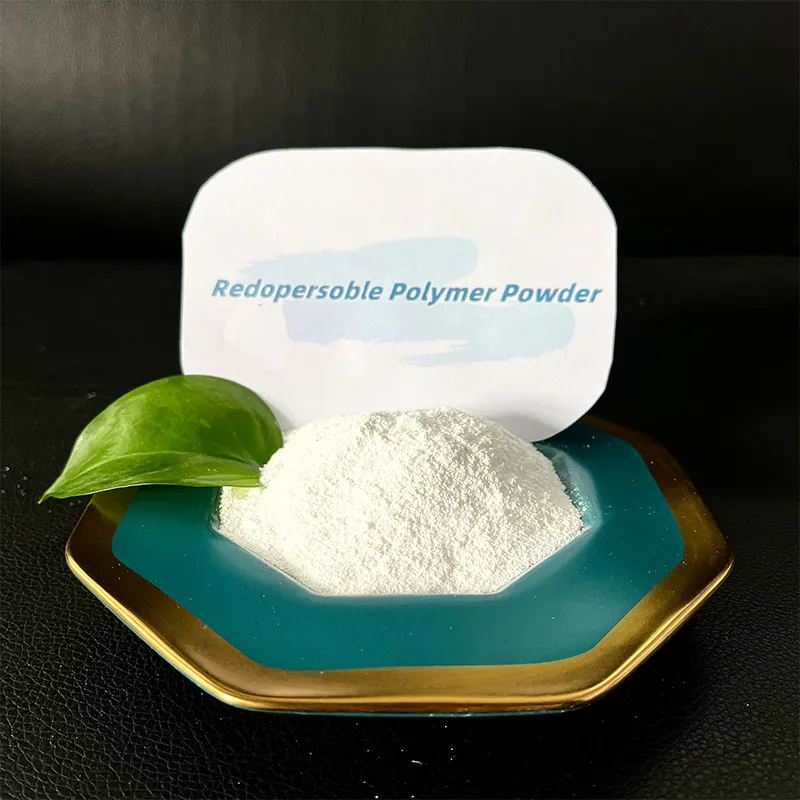
Redispersible emulsion powder, redispersible latex powder, polymer powder, VAE redispersible powder, and redispersible powder is a key solution in the chemical industry industry, specifically within fine chemicals and Building Chemicals. This article explores how HeBei ShengShi HongBang Cellulose Technology CO.,LTD. supports professionals with durable, high-performance products, and explains why this product is an ideal choice for businesses in these sectors. Table of Contents Redispersible Polymer Powder Overview Benefits & Use Cases of Redispersible Emulsion Powder in Building Chemicals Cost, Maintenance & User Experience with VAE Redispersible Powder Sustainability & Market Trends in the Chemical Industry Conclusion on Redispersible Powder from HeBei ShengShi HongBang Cellulose Technology CO.,LTD. Redispersible Polymer Powder Overview In the dynamic realm of the chemical industry, particularly within fine chemicals and specialized Building Chemicals, redispersible polymer powder stands as a foundational ingredient. This versatile additive, often referred to as redispersible emulsion powder or VAE redispersible powder , is a free-flowing, white organic polymer powder produced by spray-drying polymer emulsions. Its primary function is to enhance the performance characteristics of dry-mix mortars and other cement-based formulations. Upon contact with water, this powder readily redisperses into a liquid emulsion, acting as an organic binder to form a flexible, water-insoluble film within the cured mortar. Technically, redispersible latex powder significantly improves adhesion strength, flexibility, cohesion, and workability, while also boosting water resistance, impact resistance, and abrasion resistance. These properties are critical for modern construction materials that demand superior durability and performance. HeBei ShengShi HongBang Cellulose Technology CO.,LTD. is a recognized leader in manufacturing high-quality redispersible powder , offering a range of products meticulously engineered to meet the stringent requirements of construction professionals. Our commitment to technical excellence ensures that our partners receive reliable and consistent materials for their most challenging projects. Benefits & Use Cases of Redispersible Emulsion Powder in Building Chemicals The applications of redispersible emulsion powder within the Building Chemicals sector are extensive and critical for achieving high-performance construction. This sophisticated polymer powder is indispensable in formulations for tile adhesives, where it provides exceptional bond strength to various substrates, including low-absorption tiles. In external thermal insulation composite systems (ETICS), it significantly improves the flexibility and crack resistance of renders, ensuring the long-term integrity and energy efficiency of buildings. Furthermore, VAE redispersible powder is a key component in self-leveling compounds, enhancing flowability and surface hardness, leading to smooth and durable floor finishes. For wall putties and repair mortars, it contributes to excellent adhesion, reduced shrinkage, and improved workability, allowing for smoother application and superior aesthetic results. HeBei ShengShi HongBang Cellulose Technology CO.,LTD. leverages its profound expertise in this sector to develop tailored redispersible powder solutions that address specific industry needs, providing competitive advantages through enhanced product performance, simplified application, and extended material lifespan. Our products are designed to empower manufacturers of Building Chemicals to deliver consistently high-quality and reliable solutions to their end-users. Cost, Maintenance & User Experience Investing in high-quality redispersible polymer powder from a reputable manufacturer like HeBei ShengShi HongBang Cellulose Technology CO.,LTD. translates directly into tangible benefits regarding total cost of ownership, reduced maintenance, and an overall superior user experience. While the initial material cost might be a consideration, the enhanced durability and longevity imparted by our VAE redispersible powder in building materials lead to significantly lower lifecycle costs. Products formulated with our advanced redispersible powder exhibit improved resistance to weathering, cracking, and abrasion, minimizing the need for costly repairs and replacements over time. Feedback from our customers in the fine chemicals and construction sectors consistently highlights the operational advantages. Manufacturers report improved consistency in their product batches, reducing waste and optimizing production processes. Applicators appreciate the enhanced workability, longer open times, and superior adhesion of mortars containing our redispersible latex powder , which contributes to faster project completion and higher quality finishes. This improved user experience, combined with the proven return on investment through extended material lifespan and reduced future maintenance, solidifies the value proposition of choosing HeBei ShengShi HongBang Cellulose Technology CO.,LTD. as your trusted supplier for essential building chemical components. Sustainability & Market Trends in the Chemical Industry The chemical industry is increasingly focused on sustainability, driven by evolving regulations and a growing demand for eco-conscious building materials. Redispersible polymer powder plays a pivotal role in this shift, enabling the development of more durable and resource-efficient construction solutions. By enhancing the lifespan of building materials, our redispersible powder contributes to reduced material consumption and waste, aligning with principles of circular economy. HeBei ShengShi HongBang Cellulose Technology CO.,LTD. is at the forefront of this trend, continually investing in research and development to offer high-performance yet environmentally responsible VAE redispersible powder products. Market trends indicate a strong preference for high-quality, sustainable Building Chemicals that meet stringent performance standards without compromising environmental integrity. Regulatory bodies are imposing stricter guidelines on emissions, energy efficiency, and material sourcing, pushing manufacturers to innovate. Our commitment extends beyond product efficacy; we strive to ensure our production processes for redispersible emulsion powder are efficient and minimize environmental impact. By partnering with HeBei ShengShi HongBang Cellulose Technology CO.,LTD., businesses gain access to forward-thinking solutions that not only excel in performance but also support their sustainability goals and help them navigate the evolving landscape of the global chemical industry. Conclusion on Redispersible Powder from HeBei ShengShi HongBang Cellulose Technology CO.,LTD. In summary, the strategic integration of redispersible polymer powder is indispensable for achieving high-performance and durable solutions across the chemical industry, particularly within fine chemicals and the demanding Building Chemicals sector. From enhancing bond strength in tile adhesives to improving flexibility in ETICS, redispersible powder delivers unparalleled benefits that elevate product quality and longevity. HeBei ShengShi HongBang Cellulose Technology CO.,LTD. stands as a trusted partner, renowned for manufacturing superior VAE redispersible powder that consistently meets the highest industry standards, backed by a commitment to innovation and customer satisfaction. Choose HeBei ShengShi HongBang Cellulose Technology CO.,LTD. for reliable, high-quality redispersible emulsion powder that empowers your building material formulations to excel. Leverage our expertise to gain a competitive edge in a rapidly evolving market. Don't compromise on performance or sustainability – partner with us for your polymer additive needs. Contact us: email: 13180486930@163.com Visit our website: https://www.sshbhpmc.com
- 40000tons

Production
- 20+years

Experience
- 5000+㎡

Acreage

-
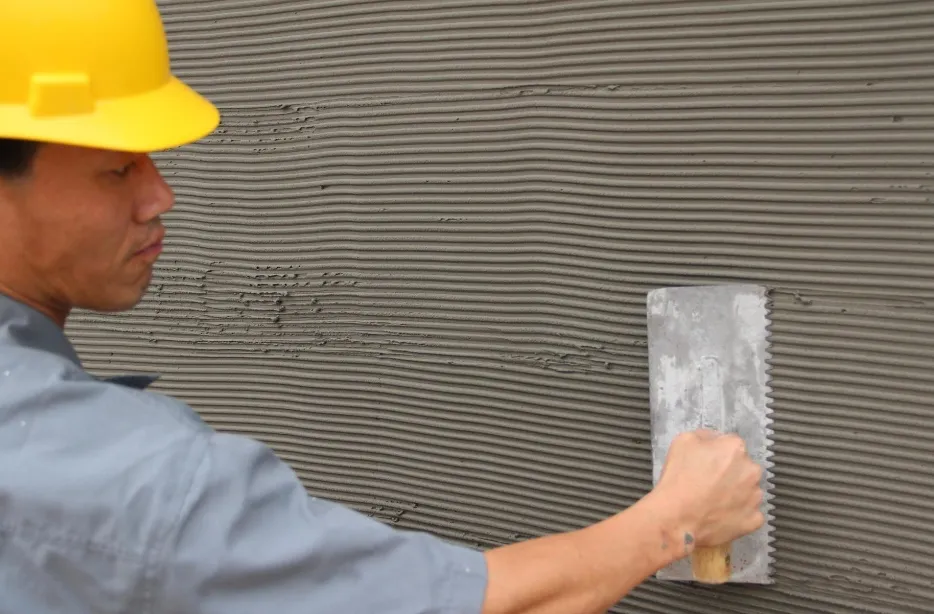
Hypromellose, also known as hydroxypropyl methylcellulose (HPMC) , is a versatile and widely used ingredient in the pharmaceutical, cosmetic, and food industries. Its unique properties and myriad applications showcase how it has become an indispensable component across these sectors. In the pharmaceutical field, hypromellose plays a crucial role in drug formulation and delivery. Thanks to its controlled release properties, it enhances the efficacy and patient compliance of oral medications. Many extended-release tablets employ hypromellose as a matrix to modulate the drug release profile. This capability ensures a sustained therapeutic effect, reducing the need for frequent dosing. Furthermore, hypromellose is known for its excellent biocompatibility and safety profile, making it an ideal candidate for a variety of pharmaceutical applications. As a non-toxic and non-irritant compound, it is used extensively as a coating agent to mask unpleasant tastes and protect drugs from environmental degradation. In the cosmetics industry, hypromellose is valued for its ability to improve product texture and stability. As a film-forming agent, it aids in the creation of smooth, even coats on hair and skin, contributing to the enhanced consistency and efficacy of skincare and haircare products. Its water-retentive properties also make it a popular ingredient in hydrating serums and lotions, ensuring prolonged moisturization. By regulating viscosity, hypromellose enables formulators to achieve the desired thickness and flow in creams and gels, thereby enhancing user experience. It is often used in eye drops to alleviate dryness, providing soothing relief and ensuring safety for the sensitive eye area. hypromellose hydroxypropyl methylcellulose In the food industry, hypromellose finds applications as a vegetarian-friendly alternative to gelatin and other animal-derived ingredients. Its gelling and thickening properties make it an invaluable additive in creating plant-based products, appealing to the growing demographic of vegan and vegetarian consumers. Hypromellose ensures the stability and quality of products like dairy alternatives, gluten-free baked goods, and ready-to-eat meals, enhancing mouthfeel and texture. Its safety, non-toxic nature, and ability to form clear, palatable solutions make it a trusted component in food formulations that require thickening, stabilization, or emulsification. To gain the competitive edge that Google acknowledges, it is essential to delve into experience-based, expert-backed studies and real-life case uses of hypromellose. Engaging with industry professionals and consumers who utilize this ingredient allows for collecting authentic insights that bolster the credibility of any discourse on hypromellose. Referencing scholarly articles and patents illustrates a deep understanding and authoritative stance on the topic. Building trust with an audience relies on demonstrating the consistent and reliable performance of hypromellose in various applications, asserting its undeniable importance and benefit across multiple industries.
-
The Advantages of Glass Fiber Reinforced Polypropylene In recent years, the demand for advanced materials in various industries has surged, leading to the development of innovative composites. One of the most notable advancements is the creation of glass fiber reinforced polypropylene (GF-PP), which combines the resilient properties of polypropylene with the strength and durability of glass fibers. This material has established itself as a game changer in manufacturing and engineering, thanks to its numerous benefits. Composition and Properties Glass fiber reinforced polypropylene consists of a polypropylene matrix enhanced with glass fibers. Polypropylene, a thermoplastic polymer, is known for its lightweight, chemical resistance, and flexibility. When reinforced with glass fibers, it gains significant mechanical properties, including increased tensile strength, stiffness, and impact resistance. The incorporation of glass fibers minimizes the weight of the components while maximizing their strength, making GF-PP an ideal choice for applications where reducing weight is critical. Enhanced Mechanical Performance One of the primary advantages of GF-PP is its exceptional mechanical performance. The glass fibers provide rigidity and resistance to deformation, making this composite suitable for parts that need to withstand stress and strain without failing. This is especially important in industries such as automotive and aerospace, where the weight-to-strength ratio is critical. For instance, engineers can design lighter vehicles that do not compromise on safety or performance. In addition to tensile strength, GF-PP exhibits improved impact resistance. This makes it an excellent choice for products that are subjected to harsh conditions or potential impacts, such as automotive bumpers or protective housings for electronics. The enhanced impact resistance reduces the likelihood of product failure and extends the lifespan of components. Chemical and Thermal Resistance . Moreover, the thermal stability of glass fiber reinforced polypropylene is noteworthy. It can endure higher temperatures without softening, making it suitable for applications that require materials to maintain integrity under heat. This thermal resistance broadens the scope of potential applications, from electrical enclosures to automotive under-the-hood components. مادة البولي بروبيلين المقوى بالألياف الزجاجية Sustainability and Environmental Considerations As the world moves towards a more sustainable future, the use of glass fiber reinforced polypropylene offers an environmentally friendly alternative to traditional materials. Polypropylene itself is recyclable, and advancements in recycling technologies are making it easier to reclaim and reuse GF-PP. Additionally, the lightweight nature of GF-PP contributes to energy savings in transportation and manufacturing processes. In recent years, efforts have also been made to explore bio-based polypropylene, where natural resources are utilized to create the matrix. This innovation could enhance the sustainability profile of GF-PP even further, aligning with global goals to reduce carbon footprints and reliance on fossil fuels. Applications Across Industries The versatility of glass fiber reinforced polypropylene allows it to be used in a wide array of applications. In the automotive industry, GF-PP is increasingly used in dashboards, interior panels, and under-the-hood components. Its strength and lightweight characteristics contribute to overall vehicle efficiency and performance. In the consumer goods sector, GF-PP is popular for producing durable storage containers, outdoor furniture, and sports equipment. Its aesthetic appeal, combined with its robust properties, allows for the design of products that are both functional and attractive. Lastly, in construction and infrastructure, GF-PP is finding its way into elements such as pipes, fittings, and composite panels, where durability and resistance to environmental factors are paramount. Conclusion Glass fiber reinforced polypropylene represents a significant advancement in material science. Its unique combination of lightweight properties, mechanical strength, chemical resistance, and environmental benefits makes it an attractive choice for a variety of applications across multiple industries. As technology continues to evolve, we can expect further innovations and enhancements to this remarkable material, paving the way for a more efficient and sustainable future.
advantages
-

200000 Viscosities
Excellent product
We can produce pure products up to 200,000 viscosities
-

40000 tons
High yield
We don’t stop production all year round, and the annual output can reach 40,000 tons
-

24 hours
Quality service
We provide 24-hours online reception service, welcome to consult at any time
———— Inquiry Form
Schedule A services

-
 retaine_hpmc_lubricant_eye_drops_0_point_3_fl_oz
Oct . 25, 2025
Optimize your industrial solutions with fine rubber powder, nitrile rubber powder, and advanced prod -
 hydroxypropyl_methylcellulose_in_mortar
Oct . 25, 2025
Redispersible emulsion powder (RDP), including redispersible latex powder , polymer powder , VAE red -
 wood_and_cellulosic_chemistry
Oct . 25, 2025
Hydroxypropyl Methylcellulose (HPMC) is a versatile compound with extensive applications across vari


